
442 Bryden Ave,
Lewiston, ID 83501

What Is the Best Treatment for TMJ?
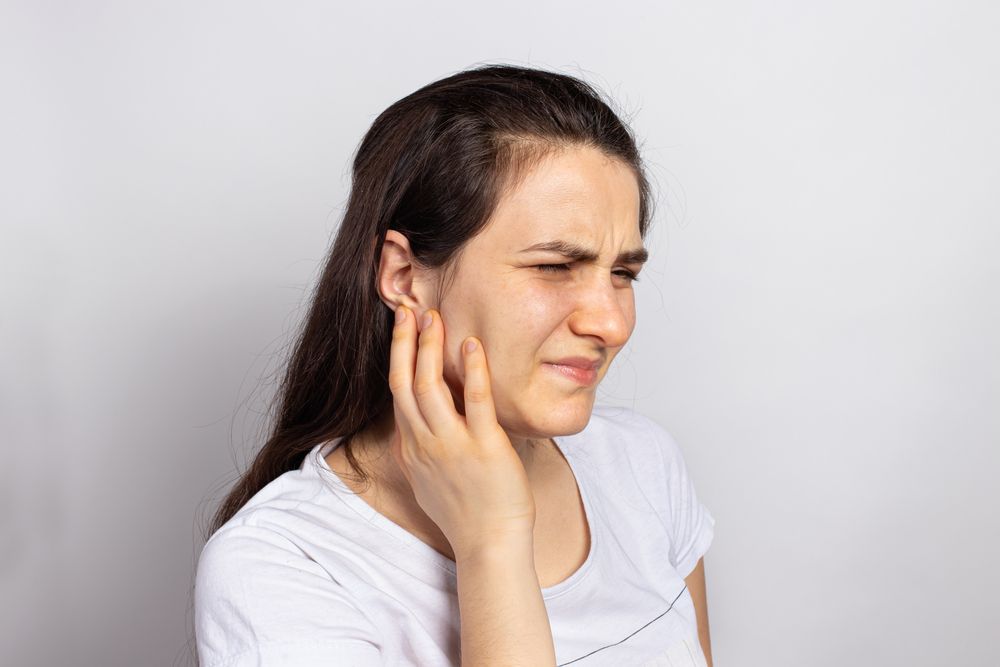
TMJ disorder affects the jaw joint and surrounding muscles, often leading to pain, stiffness, and difficulty with normal jaw movement. Because TMJ can develop for many different reasons, the most effective treatment varies from patient to patient. Knowing what TMJ is and how it’s treated can help you make informed decisions about your care.
What Is TMJ?
TMJ stands for temporomandibular joint, the joint that connects your jawbone to your skull. You have one on each side of your face, and they work together to allow you to talk, chew, yawn, and move your jaw smoothly. When this joint or the surrounding muscles become irritated or inflamed, it can lead to TMJ disorder (TMD), which often causes discomfort and limits normal jaw function.
Common Causes of TMJ Disorder
TMJ issues can develop for several reasons, and in many cases, more than one factor is involved. Common causes include:
• Teeth grinding or clenching (bruxism)
• Jaw misalignment or bite problems
• Stress leading to muscle tension
• Arthritis affecting the jaw joint
• Jaw injury or trauma
• Poor posture that strains the neck and jaw muscles
Identifying the underlying cause is key to choosing the most effective treatment.
TMJ Treatment Options
Treatment for TMJ can range from conservative therapies to more advanced dental interventions, depending on your specific symptoms and needs. Many patients find relief with simple, noninvasive approaches, especially in mild or early cases.
Lifestyle and at-home treatments often play an important role in reducing TMJ discomfort. Avoiding hard, crunchy, or chewy foods can help minimize strain on the jaw, while applying heat or cold packs may ease muscle tension and inflammation. Stress management techniques can also be beneficial, as stress often contributes to jaw clenching. In addition, gentle jaw stretching and relaxation exercises can improve flexibility and reduce stiffness over time.
Oral appliances, such as night guards or splints, are among the most common and effective treatments for TMJ. These custom-made devices help reduce teeth grinding and clenching, relieve pressure on the jaw joints, and promote better jaw alignment during sleep, allowing the muscles and joints to rest and heal.
In cases where TMJ symptoms are linked to bite misalignment, bite adjustment or restorative dentistry may be recommended. By improving how the teeth fit together, your dentist can help restore balance to the bite, reduce uneven pressure on the jaw, and improve overall comfort and function.
What Is the Best Treatment for TMJ?
The best treatment for TMJ depends on the underlying cause, the severity of your symptoms, and your lifestyle. At LC Smiles, our dentist will carefully evaluate your jaw, bite, and symptoms to create a treatment plan tailored specifically to you. Our goal is not just temporary relief, but long-term comfort and improved jaw function.
Schedule Your TMJ Consultation Today
TMJ disorder can significantly impact your daily life, but effective treatment is available. Understanding what TMJ is, what causes it, and the range of treatment options can help you take control of your oral health. With the right diagnosis and personalized care, TMJ pain doesn’t have to be something you live with.
If you’re experiencing jaw pain, headaches, or discomfort when chewing, schedule a consultation with LC Smiles and learn more about TMJ treatment options. Contact our office in Lewiston, Idaho, by calling (208) 746-2414 to book an appointment today.

Office Hours
- Monday 7:00am – 5:00pm
- Tuesday 7:00am – 5:00pm
- Wednesday 7:00am – 5:00pm
- Thursday 7:00am – 5:00pm
- Friday Closed
- Saturday Closed
- Sunday Closed

Contact Us

Powered by