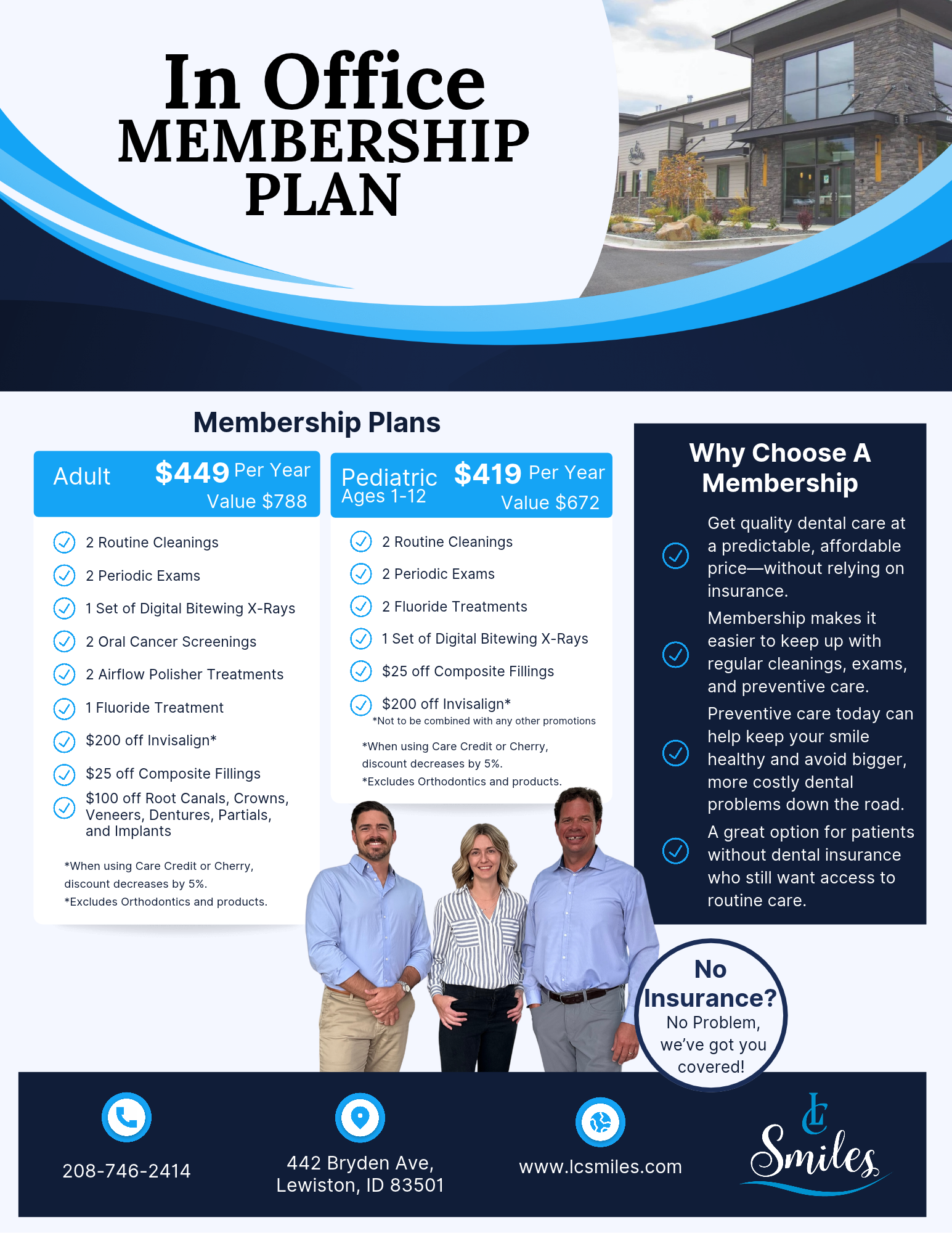

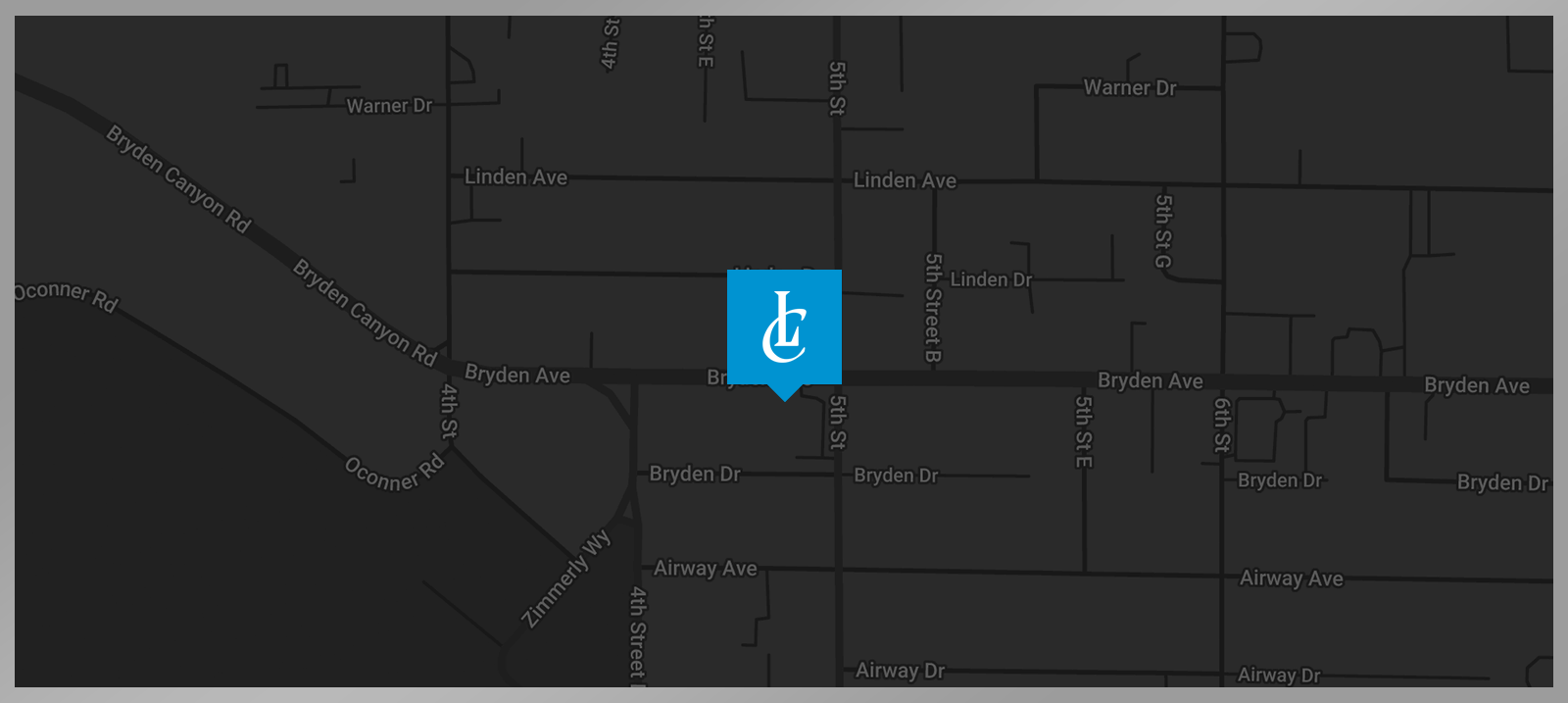
442 Bryden Ave,
Lewiston, ID 83501

Sleep Apnea in Lewiston: When Snoring and Restless Sleep Need Attention
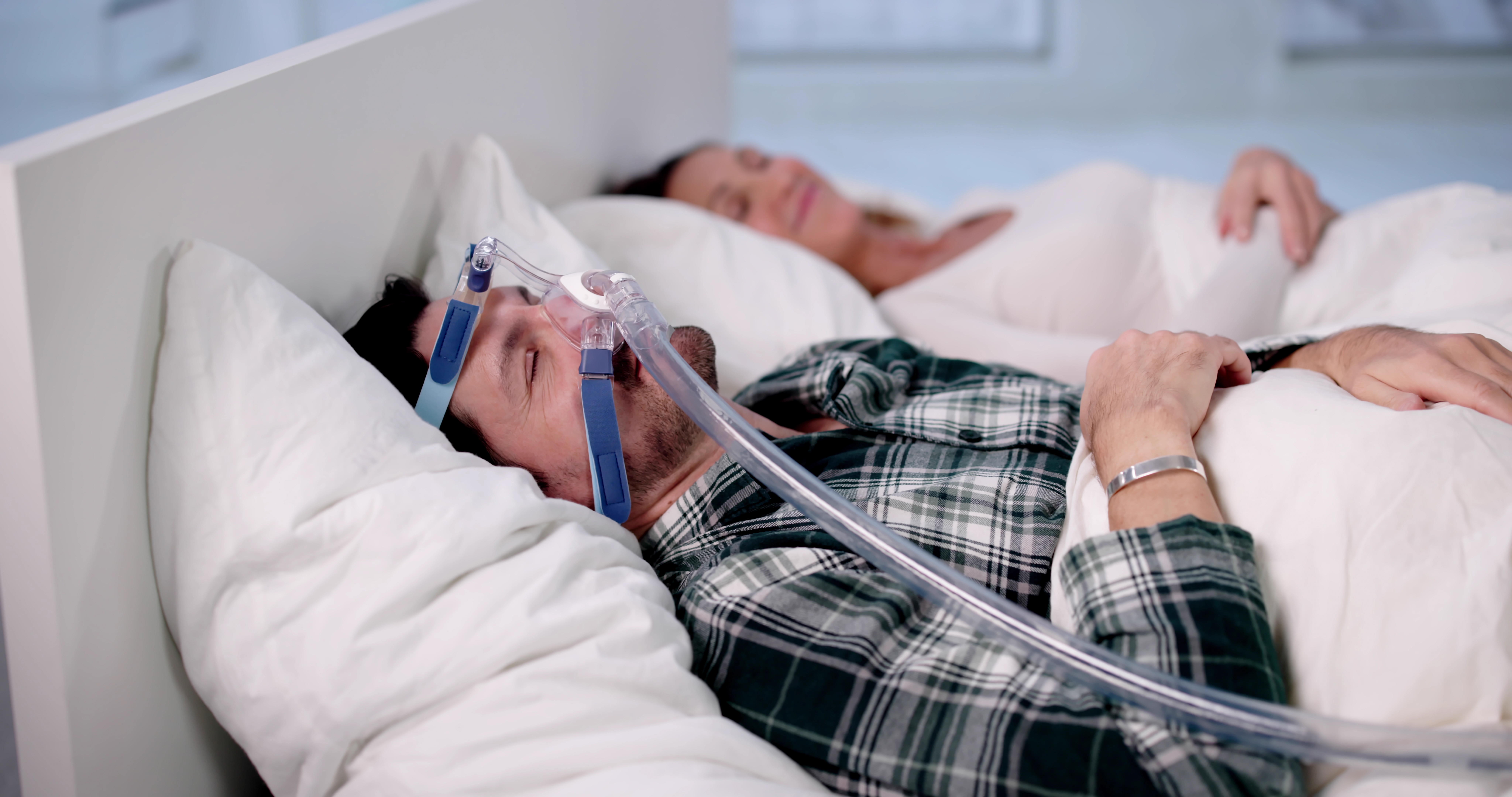
Snoring is common, but frequent loud snoring combined with restless sleep may be more than a nighttime nuisance. For some people, these symptoms can point to sleep apnea, a condition in which breathing repeatedly stops and starts during sleep. When sleep is constantly interrupted, the effects can carry over into your energy, concentration, mood, and overall health.
At LC Smiles in Lewiston, we want patients to understand when nighttime symptoms deserve a closer look and what treatment options may be available after a sleep apnea diagnosis.
When Snoring May Be More Than Snoring
Not everyone who snores has sleep apnea. However, persistent snoring can be an important warning sign, especially when it occurs alongside pauses in breathing, gasping, or frequent waking.
Obstructive sleep apnea is the most common type of sleep apnea. It occurs when tissues in the upper airway relax or collapse enough to partially or completely restrict airflow while you sleep. Your body may repeatedly wake just enough to restore breathing, even if you do not remember waking in the morning.
Over time, these repeated disruptions can prevent you from getting the restorative sleep your body needs.
Signs That Sleep Apnea May Need Attention
Sleep apnea symptoms can occur both at night and during the day. Consider discussing your symptoms with a healthcare provider if you or your partner regularly notice:
- Loud, frequent snoring
- Pauses in breathing during sleep
- Gasping, choking, or snorting while sleeping
- Morning headaches or a dry mouth
- Excessive daytime tiredness or difficulty concentrating
Some people assume that feeling tired is simply part of a busy schedule. However, consistently waking up unrefreshed even after spending enough time in bed may indicate that your sleep quality is being disrupted.
Why Untreated Sleep Apnea Matters
Sleep apnea does more than interfere with a good night's rest. Repeated drops in airflow and sleep disruptions can place additional stress on the body. Untreated sleep apnea has been associated with health concerns such as high blood pressure, heart disease, stroke, and other medical problems.
Because symptoms occur while you are asleep, a spouse or partner may notice the warning signs before you do. If someone regularly tells you that you stop breathing, gasp for air, or snore heavily, it is worth bringing those observations to your healthcare provider.
How Sleep Apnea Is Diagnosed
Symptoms alone cannot confirm sleep apnea. A healthcare provider may recommend a sleep study to evaluate your breathing and sleep patterns. Depending on your situation, testing may sometimes be completed at home with a device that records important information while you sleep.
Once sleep apnea is properly diagnosed, your medical and dental providers can help determine which treatment approach is appropriate.
Could an Oral Appliance Help?
CPAP therapy is an effective and commonly prescribed treatment for sleep apnea, but some patients have difficulty using the mask consistently. For certain people with obstructive sleep apnea, a custom oral appliance may be another option.
These appliances are designed specifically for your mouth and gently position the lower jaw forward while you sleep. This positioning can help support a more open airway. We can evaluate whether an oral appliance may be appropriate as part of your overall sleep apnea treatment plan.
If snoring, restless sleep, or daytime fatigue has you concerned about sleep apnea, contact LC Smiles in Lewiston, ID at (208) 746-2414 to schedule a consultation.

Office Hours
- Monday 7:00am – 5:00pm
- Tuesday 7:00am – 5:00pm
- Wednesday 7:00am – 5:00pm
- Thursday 7:00am – 5:00pm
- Friday Closed
- Saturday Closed
- Sunday Closed

Contact Us

Powered by